Selecting the Perfect Asphalt Contractor for Your Paving Project
Determining the ideal asphalt contractor is paramount for the success of any paving project. A contractor's qualifications, background knowledge, and credibility can greatly influence the excellence of performance. Knowing the core services they provide and inquiring about the proper questions can illuminate their reliability. Yet, navigating quotes and identifying danger signals can be challenging. What criteria should one concentrate on to guarantee a positive outcome?
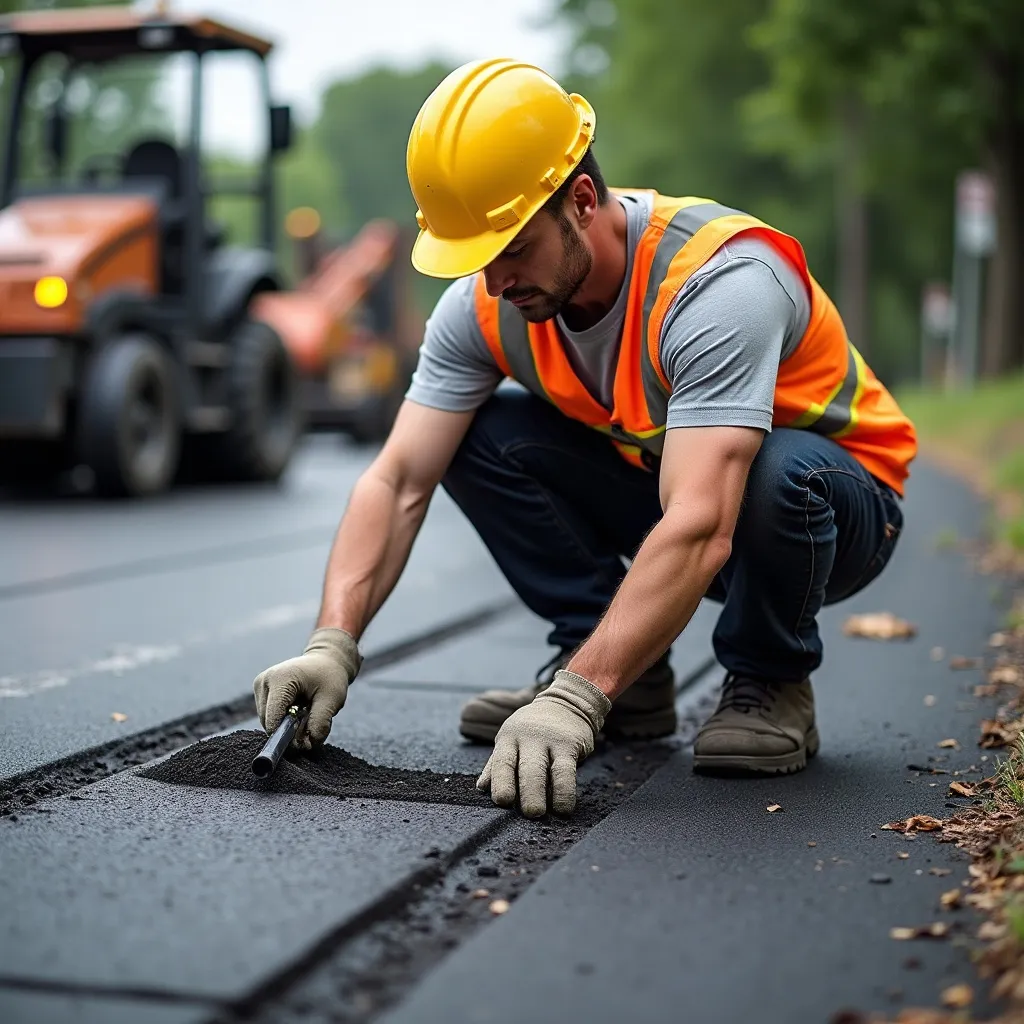
Why Choosing the Proper Asphalt Contractor Makes a Difference
Picking the right asphalt contractor is critical for maintaining the longevity and quality of pavement projects. The choice regarding contractor can considerably influence the strength and efficiency of the asphalt surface. A competent contractor appreciates the nuances of asphalt installation, encompassing correct setup, material selection, and placement procedures. This proficiency decreases the chance of early damage, splitting, and other complications that can occur from poor execution.
Furthermore, a trusted contractor typically follows professional guidelines and utilizes high-quality resources, which contribute to the total achievement of the project. Engaging the appropriate professional also fosters effective communication, ensuring that the client's particular requirements and expectations are fulfilled. Ultimately, investing time in selecting a skilled asphalt contractor can lead to significant enduring financial benefits and improve the aesthetic appeal and functionality of the pavement surface. Consequently, this choice is pivotal for any pavement project's success.
What Certifications Must Your Asphalt Contractor Have?
What basic credentials should an asphalt contractor bring to guarantee a successful project? A reputable asphalt contractor should retain the necessary licenses and certifications required by local regulations. These credentials establish compliance with local laws and industry guidelines. Moreover, monetary security is essential; a contractor must be able to maintain operations throughout the project, guaranteeing timely completion.
Various paving techniques and knowledge of different materials are crucial, as they significantly impact the standard of results delivered. Understanding of safety protocols and proper equipment usage is also vital for protecting both workers and clients.
Additionally, a thorough understanding of project management principles can support in efficient timeline management and resource allocation. Finally, good interaction skills are crucial for addressing customer worries and making sure that expectations are met. These qualifications jointly add to the overall success and satisfaction of a paving project.
Analyzing Your Paving Service Provider's Proficiency and Reputation
What approaches exist to effectively gauge an asphalt contractor's experience and reputation? To begin, get started aspiring customers should review the contractor's portfolio, which reveals completed work and proves their capabilities. Likewise, years in business often signal stability and expertise in the industry. Online reviews and testimonials from previous clients can provide insights on the contractor's dependability and finished product.
Moreover, asking for references can yield direct accounts of customer satisfaction and project outcomes. Working with local trade associations or reviewing certifications can additionally affirm a contractor's professionalism and adherence to industry standards.
In conclusion, a strong reputation within your area—shown by repeat business and referrals—can be a clear indicator of a contractor's dependability. Together, these elements provide a thorough picture of an asphalt contractor's background and standing, helping with informed decision-making.
Key Offerings Supplied by Asphalt Contractors
A variety of essential offerings are commonly provided by asphalt contractors, catering to both domestic and commercial needs. These offerings often include asphalt paving, where contractors lay down fresh asphalt for driveways, parking lots, and roads. Additionally, they provide asphalt repair services, fixing cracks and potholes to improve durability and safety. Sealcoating is another important offering, protecting asphalt surfaces from weather damage and extending their lifespan.
Additionally, providers may supply grading and drainage solutions, ensuring adequate water movement and preventing subsequent decay. Line striping is also included, delineating parking zones and road markings for enhanced order and security. Some asphalt contractors present service plans, which consist of periodic evaluations and care to optimize the durability of asphalt surfaces. By grasping these essential services, facility owners can make informed decisions when selecting an asphalt contractor for their surfacing projects.
Critical Questions to Present Your Asphalt Contractor
When selecting an asphalt contractor, it is paramount to ask key questions to appraise their expertise and reliability. Delving into their experience and qualifications, as well as understanding the project timeline and costs, can impart valuable insights. These key factors help ensure that the contractor can meet the project's demands effectively.
Track Record and Qualifications
Experience and skills are critical when selecting an asphalt contractor. Prospective clients should inquire about the contractor's industry experience, as a established track record often signals reliability and expertise. It is suggested to ask for references from previous jobs, allowing clients to measure the quality of work completed. Moreover, contractors should have appropriate licenses and certifications, demonstrating compliance with industry standards and regulations. Clients should consider any specialized training the contractor has received, particularly for specific paving techniques or materials. Being aware of the contractor's experience with alike projects can reveal their aptitude for handling distinctive challenges. Ultimately, a skilled contractor will enhance the project and promise long-term satisfaction.
Project Timeline and Costs
Grasping project schedules and costs is essential for customers choosing an asphalt contractor. Clients should ask about the estimated timeframe of the project, encompassing preparation, paving, and curing times. Contractors should provide a transparent timeline, outlining key milestones and potential delays. Clients need to also request a comprehensive cost estimate, including materials, labor, and any additional fees. Grasping payment structures, such as deposits or financing options, is important for budgeting. It is wise for clients to evaluate quotes from multiple contractors to guarantee transparency and fairness. Finally, discussing potential weather-related impacts on project timelines can help set realistic expectations, encouraging better communication and satisfaction throughout the paving process.
Reviewing Quotes and Pricing Structures
Considering proposals and pricing structures from diverse asphalt contractors is important for making an informed decision. When checking estimates, it is necessary to examine not only the cost total but also the breakdown of elements, staff, and any additional fees. A budget-friendly quote may seem attractive, but it could reveal quality trade-offs or service.
Contractors frequently present different fee structures; some may bill by square footage, while others might offer flat rates. Recognizing these options can help clients evaluate the true quality of each proposal.
Moreover, clients should check on warranties and maintenance options, which can impact extended expenses. It is advisable to ask explicit written quotations to guarantee visibility and assist reliable evaluations. By deliberately examining these features, consumers can appoint a builder that coordinates with their spending limits and quality criteria, ultimately enabling a prosperous paving endeavor.
Caution Indicators to Keep an Eye on When Bringing on an Asphalt Contractor
What signs should one look for when choosing an asphalt contractor? Various warning indicators can point to potential trouble. First, the absence of adequate licensing and coverage represents a serious red flag; reliable contractors will promptly furnish this documentation. Moreover, when a contractor gives an abnormally low estimate, it could denote poor-quality materials or inferior craftsmanship.
A worry surfaces when a contractor is unwilling to provide testimonials or a collection of past work, as this may indicate a lack of experience or poor previous projects. Moreover, unclear or ambiguous contracts can cause misunderstandings and unforeseen costs down the line. Finally, aggressive sales tactics should spark suspicions; reliable contractors will allow clients opportunity to make decisions. By remaining alert and recognizing these red flags, property owners can more effectively protect themselves from potential problems in their paving projects.
Common Asked Questions
What Is the Timeline for My Paving Project Completion?
The length of a asphalt project generally spans from a few days to several weeks, depending on factors such as project size, climatic factors, and the contractor's effectiveness in handling resources and timelines.
What Sort of Asphalt Options Would You Recommend?
The contractor recommended utilizing superior hot mix asphalt for effectiveness and longevity. Furthermore, they proposed considering porous asphalt for environmental benefits, or cold mix asphalt for short-term fixes, based on the specific job needs and circumstances.
Are Warranties Available on Your Work?
Many reputable asphalt contractors offer warranties on their work, guaranteeing quality and durability. These warranties typically include materials and workmanship, offering clients peace of mind and protection against potential issues arising after the project's completion.
Would you be capable of deliver client feedback from former clients?
Yes, professional service providers typically present citations from past work. This facilitates prospective buyers to determine the caliber of construction and client contentment, making sure they formulate an informed decision before embarking on their asphalt project.
Determining the Best Time of Year for Asphalt Installation
The optimal time for paving is commonly during warmer months, specifically late spring to early fall. This period guarantees ideal temperature conditions, permitting asphalt to cure properly and reducing the likelihood of weather-related disruptions.